A Lippert hydraulic through-frame slide uses a 12-volt pump to move a cylinder, then a rack-and-pinion mechanism carries the room. One switch press involves electrical power, hydraulic pressure and a heavy structure. Diagnose those systems in that order instead of forcing the room.
Set up the RV before testing
Park on the most level surface available, set the brake and stabilize or level the coach as its manual requires. Remove transit bars and clear cabinets, furniture and exterior obstacles. Lippert calls for a fully charged battery connected to the RV electrical system before operating the slide.
A converter connected to shore power does not automatically make a weak battery irrelevant. The pump can draw heavy current, and voltage may collapse at the motor through poor cables or a tired battery.
Press the switch once and classify the sound
- No click and no pump: check the slide switch, house battery, disconnect, fuse or auto-reset breaker, pump ground and control wiring.
- Click but no motor: voltage may be low, a high-current connection may be open, or the solenoid/motor may have failed.
- Pump runs but the room does not move: check fluid level by the exact system procedure, visible leaks, valve position, cylinder action and mechanical connection.
- Room begins to twist or one rail stops: release the switch immediately. Look for obstruction, rack/gear damage or a disconnected cross shaft.
Measure battery voltage under pump load
Use a meter at the battery and, if safely accessible, at the pump motor while a helper presses the switch briefly. A large drop at the motor with a healthier battery reading points to cable, breaker, solenoid or ground resistance. Warm terminals and discolored lugs are important clues.
Do not bypass a breaker with wire or hold a tripping breaker closed. Repeated trips may indicate a stalled room, motor problem or short.
Inspect the hydraulic side without opening it
With the system off, look at the reservoir, pump manifold, hoses and cylinder for fresh wetness. Confirm fluid level only with the room and leveling system in the position stated in the matched manual; checking in the wrong position can make the reservoir appear low or cause overfilling.
If the system was manually overridden previously, a valve may have been left in its override position. Compare every valve with the normal-operating illustration for that exact pump assembly. Valve styles and turning directions vary.
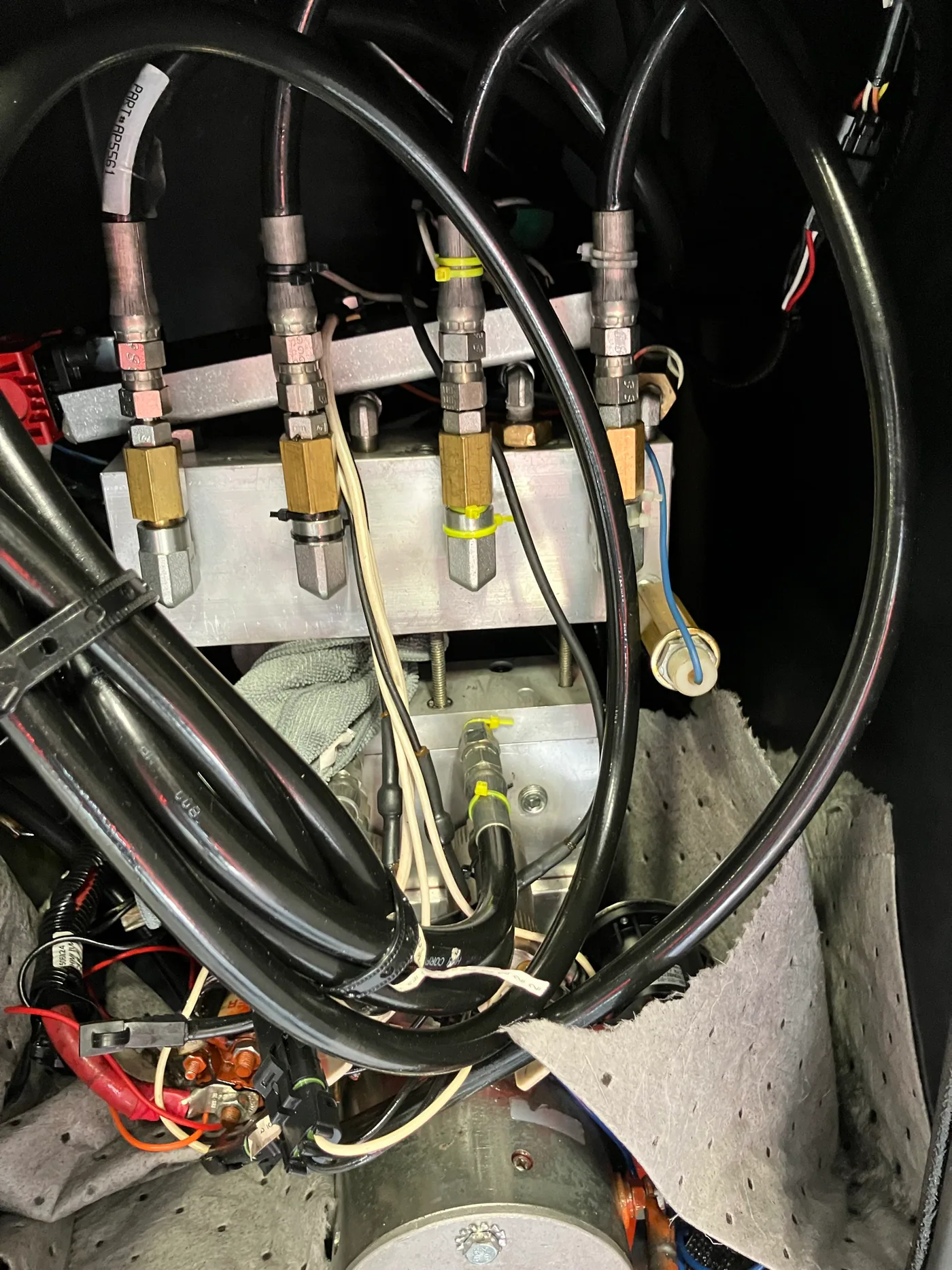
Check for mechanical binding
Inspect the room perimeter inside and out. A cabinet door, loose trim, topper fabric, floor object or damaged wiper seal can stop a room. Under the slide, look for a loose or broken cross-shaft bolt, damaged gear teeth and unequal rack travel without placing yourself beneath the room.
Lippert advises holding the switch only until the room stops. Continuing after a hard stop or during binding raises pressure and can damage the mechanism.
If other hydraulic functions still work
Leveling jacks that operate normally prove the pump can run, but they do not prove the slide valve, hose or cylinder is good. A single-room failure on a shared manifold points more strongly toward that room's valve, wiring or mechanical components. If everything hydraulic is dead, look first at shared battery, breaker, solenoid, motor and pump issues.
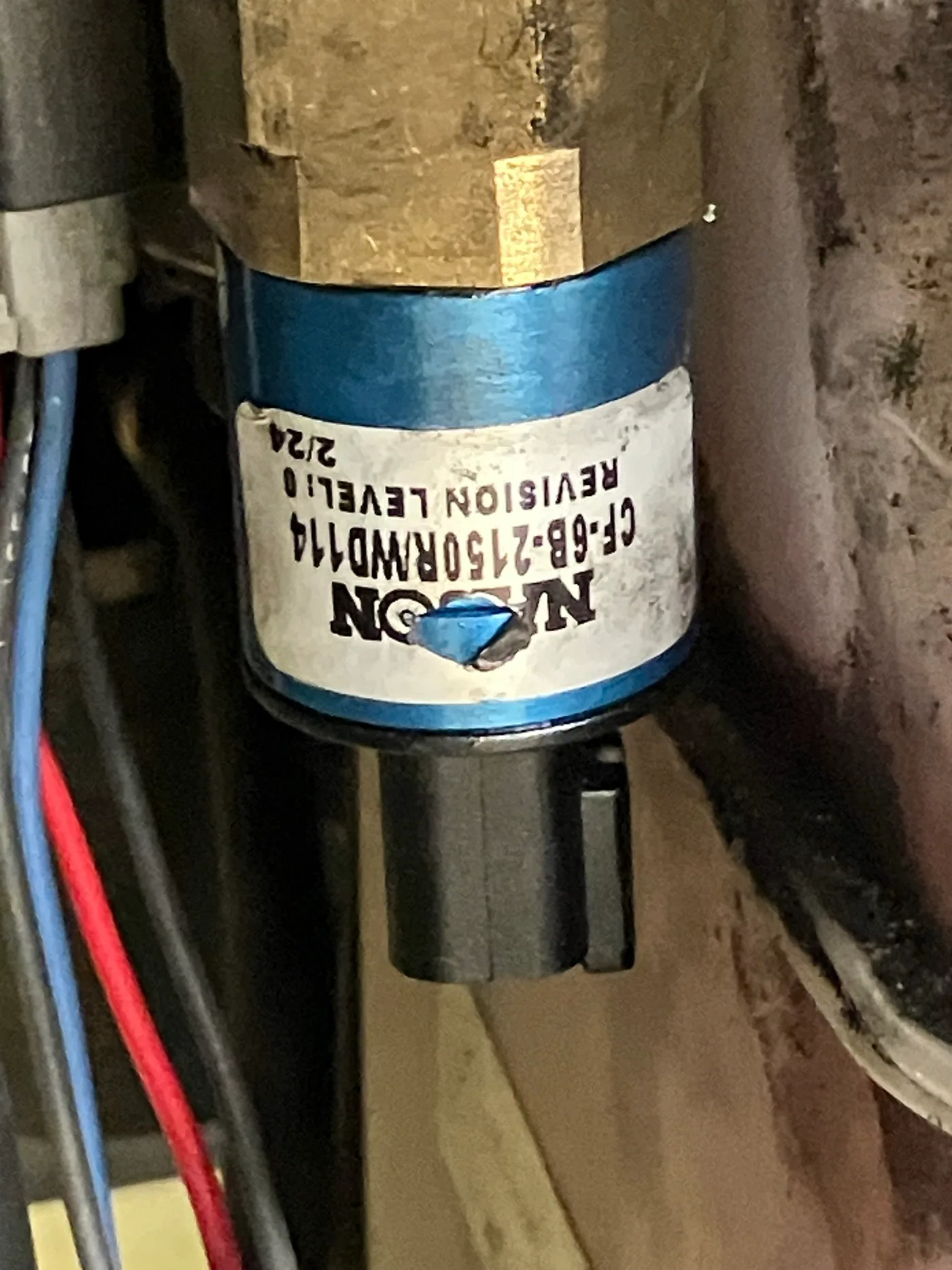
Some power units also use a hydraulic pressure switch. It can resemble a small motor or solenoid, but it serves a different job. Do not jump its terminals or order one from appearance alone; match the stamped part number and use the exact system test procedure.
Manual override is for controlled recovery
Lippert provides model-specific drill and valve procedures, but they are not universal. Identify whether the power unit is bi-rotational or uni-directional and match the manifold before turning anything. Mark original valve positions and restore them afterward.
If the room is crooked, mechanically jammed or leaking fluid, do not use the override to overpower it. Arrange mobile service and keep the room supported and secured.
When technician testing is needed
Advanced diagnosis includes high-current motor testing, pump pressure, valve-coil command, cylinder bypass and room-bar alignment. Those tests distinguish an electrical failure from a hydraulic or structural problem without replacing a pump unnecessarily.
Related RV Solver pages
- RV slide-out will not move
- RV slide-out mechanism guide
- RV slide stuck out
- Lippert Schwintek one side not moving
- Power Gear jacks will not retract
- RV leveling and slide low-voltage checks
Frequently asked questions
Why won't my Lippert hydraulic slide move even though the pump runs?
A valve may not be opening, fluid may be low or leaking, a cylinder may be bypassing, or the rack-and-pinion mechanism may be disconnected or bound.
Can low battery voltage stop a hydraulic RV slide?
Yes. The hydraulic pump is a high-current 12-volt load, and voltage can drop through a weak battery, breaker, cable, solenoid or ground.
Can I manually retract a Lippert hydraulic slide with a drill?
Some systems permit a model-specific drill override after the correct valves are positioned. Identify the exact power unit and follow its manual; do not force a crooked or jammed room.
Still narrowing it down?
The guided troubleshooter walks through RV symptoms in a safe order and helps separate a simple check from a repair that needs a technician.
Open the troubleshooterSources and review notes
Reviewed against manufacturer material on July 12, 2026. Match every fault definition, procedure, limit and replacement part to the exact model, specification and serial range installed in the RV.